
Amazing Soft Sourdough Sandwich Bread Recipe
Introduction
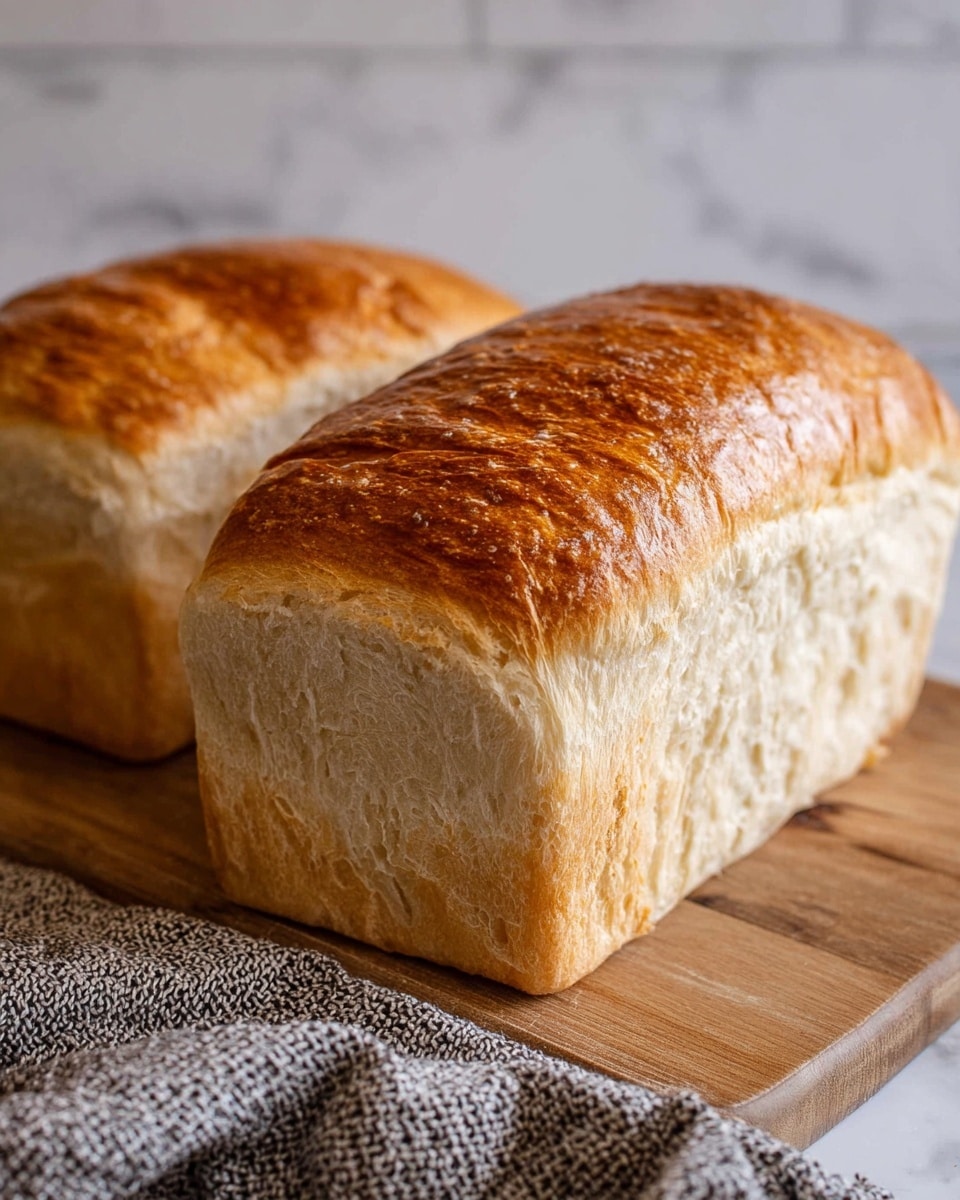
Make this amazingly soft and fluffy sourdough sandwich bread without any added yeast. The flavor is perfectly balanced, and the texture is just right for sandwiches or toast. This bread is truly a delight for sourdough lovers looking for a tender crumb.
Ingredients
- 300 grams sourdough starter, active and bubbly
- 650 grams warm water
- 1000 grams white bread flour
- 50 grams honey
- 40 grams olive oil or avocado oil
- 20 grams fine sea salt
Instructions
- Step 1: In a large bowl, combine the sourdough starter, warm water, bread flour, olive or avocado oil, honey, and sea salt. Use a Danish dough whisk or your hands to mix everything until fully combined.
- Step 2: Cover the mixture and let it sit for 1 hour to begin fermentation.
- Step 3: Perform a series of stretch and folds every 20 minutes, for a total of 4 times. This replaces kneading and helps develop gluten.
- Step 4: After the last stretch and fold, let the dough bulk ferment for 3 to 4 hours at room temperature.
- Step 5: Place the dough in the fridge to ferment overnight or for 10 to 12 hours. Alternatively, refrigerate immediately after the stretch and folds if short on time.
- Step 6: Remove the dough from the fridge and let it come to room temperature for 1 to 2 hours.
- Step 7: Divide the dough into two large sections (or three smaller ones). Shape each piece by stretching into a rectangle, folding in thirds, then rolling up tightly. Pinch and tuck the ends underneath.
- Step 8: Place each shaped dough seam-side down into a greased loaf pan. Cover with a damp towel or plastic wrap and proof in a warm area until doubled or nearly doubled in size.
- Step 9: Preheat the oven to 400°F (200°C). When proofing is complete, score the tops of the loaves and place a pan of hot water in the oven for steam.
- Step 10: Bake for 35 to 40 minutes until the crust is golden brown and sounds hollow when tapped.
- Step 11: Remove the bread from the oven and pans. Cool on a wire rack and brush tops with butter while still warm for a soft, flavorful crust.
- Step 12: Cool completely before slicing and enjoy your soft sourdough sandwich bread!
Tips & Variations
- Use a warm place to proof for a faster rise if your kitchen is cool.
- Substitute honey with maple syrup or agave for different sweetness notes.
- Try avocado oil for a milder flavor compared to olive oil.
- Add seeds or herbs to the dough for extra texture and flavor.
- Use a Dutch oven for baking if you don’t have loaf pans to get a crispier crust.
Storage
Store bread wrapped in a clean kitchen towel or bread bag at room temperature for up to 3 days to maintain softness. For longer storage, slice and freeze the bread in an airtight container or freezer bag for up to 3 months. Reheat slices in a toaster or oven for best texture.
How to Serve
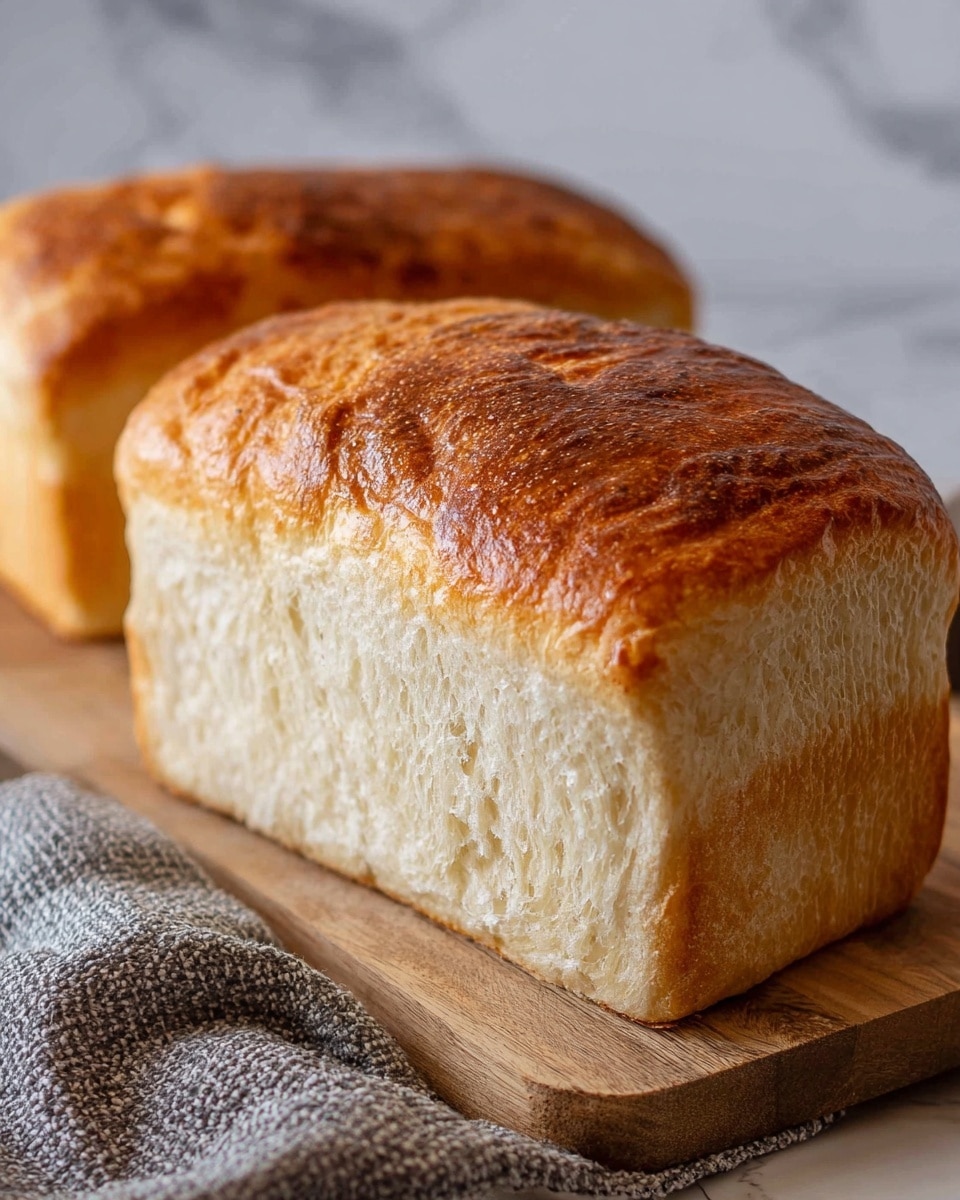
Serve this delicious recipe with your favorite sides.
FAQs
Can I use instant yeast instead of sourdough starter?
This recipe is designed specifically for sourdough starter and does not require yeast. Using yeast will change the flavor and texture, so for the true sourdough result, stick to the starter.
How do I know when the bread is fully baked?
The bread is done when the crust is a deep golden brown and sounds hollow when tapped. An internal temperature of about 200°F (93°C) also indicates doneness if you have a thermometer.
Print
Amazing Soft Sourdough Sandwich Bread Recipe
- Total Time: 11 hours 0 minutes
- Yield: 2 large loaves 1x
Description
This recipe yields an amazingly soft and fluffy sourdough sandwich bread made entirely without commercial yeast. Using a natural sourdough starter, the bread offers a perfect balance of flavor and texture, ideal for delicious sandwiches. The method includes mixing, bulk fermentation, stretch and folds, a cold proof in the refrigerator, shaping, and oven baking with steam to achieve a light crust and airy crumb.
Ingredients
Starter and Dough Ingredients
- 300 grams sourdough starter, active and bubbly
- 650 grams warm water
- 1000 grams white bread flour
- 50 grams honey
- 40 grams olive oil or avocado oil
- 20 grams fine sea salt
Instructions
- Mix the Dough: In a large bowl, combine the fed sourdough starter, warm water, bread flour, oil, honey, and fine sea salt. Use a Danish dough whisk to mix evenly, then finish combining with your hands until the dough is well incorporated.
- Initial Rest: Cover the bowl and let the dough sit for 1 hour to hydrate and begin fermentation.
- Stretch and Folds: Perform four sets of stretch and folds at 20-minute intervals to develop gluten structure. To do this, reach under the dough and stretch it upwards and fold it over itself, rotating the bowl as you go.
- Bulk Fermentation: After the stretch and folds, allow the dough to bulk ferment for 3 to 4 hours at room temperature to develop flavor and structure.
- Cold Fermentation: Transfer the dough to the refrigerator for an overnight cold ferment lasting 10 to 12 hours. This step enhances flavor and texture.
- Warm Up: Remove the dough from the fridge and let it come to room temperature for about 1 to 2 hours before shaping.
- Divide and Shape: Divide the dough into two large portions (or three for smaller loaves). Stretch each portion into a rectangle, fold into thirds, then roll and pinch the ends, tucking them underneath. Place each shaped dough into a greased loaf pan seam-side down.
- Proof: Cover the dough with a wet towel, shower cap, or plastic wrap, and proof in a warm place until nearly doubled in size.
- Preheat Oven and Prepare Steam: Preheat your oven to 400°F (204°C). Place a pan with hot water on the oven floor to create steam, which will improve crust and oven spring.
- Score and Bake: Once risen, use a sharp knife to make slices on top of the dough. Place the pans in the oven and bake for 35 to 40 minutes until the crust is golden brown and the loaf sounds hollow when tapped.
- Cool and Finish: Remove the bread from the oven and carefully transfer the loaves from the pans to a wire rack. While still hot, brush the tops with butter to soften the crust and add flavor. Allow the bread to cool completely before slicing and enjoying.
Notes
- The stretch and fold technique replaces traditional kneading and strengthens the dough.
- Cold fermentation in the fridge improves flavor complexity and texture.
- Using steam during baking helps develop a better crust and oven spring.
- Brushing butter on top after baking keeps the crust soft and flavorful.
- You can divide the dough into three portions if smaller loaves are preferred.
- Prep Time: 20 minutes
- Cook Time: 40 minutes
- Category: Bread
- Method: Baking
- Cuisine: American
Keywords: sourdough bread recipe, sourdough sandwich bread, homemade sourdough, no yeast bread